
Pergola, Patio Cover, or Covered Deck? A Utah Backyard Guide
If you live along the Wasatch Front, your backyard fights two extremes: blazing high-altitude summer sun and heavy winter snow load. In Salt Lake City, an unshaded patio can hit uncomfortable temperatures by mid-afternoon in July, and the same slab sits under snow for weeks in January. That is exactly why so many homeowners weigh a pergola against a patio cover before they build.
The three options people usually compare are a pergola, a solid patio cover, and a fully covered deck. They look similar on Pinterest, but they behave very differently in Utah weather. Installify builds all three as part of our covered deck and outdoor living work. Here is the plain-English breakdown so you pick the right one the first time.
Pergola vs. patio cover: the real difference
The core difference is the roof.
Put simply: a pergola manages light and looks great; a patio cover manages weather and keeps you dry. Neither is "better" until you decide what you actually want the space to do.
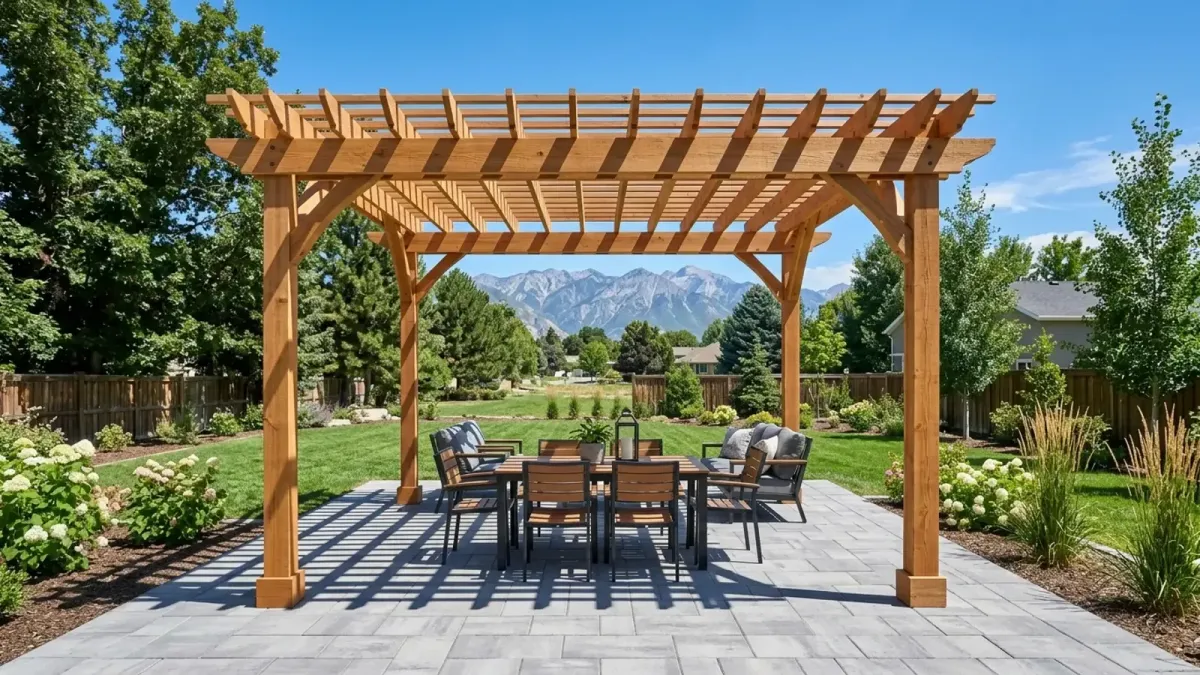
- A pergola has an open or slatted top. Rafters and cross-beams filter the sun and create dappled shade, but rain and snow fall right through the gaps. It is an architectural feature that defines a space and softens the light.
- A patio cover has a solid, watertight roof, usually metal or a solid insulated panel. It blocks sun completely and keeps rain and snow off the area underneath, so you can sit outside during a summer thunderstorm or an early-fall drizzle.
Which holds up to Utah weather?
This is where the Wasatch Front changes the answer.
Snow load is the big one. A solid patio cover collects every inch of snow that falls on it, so it has to be engineered and anchored for our winter loads. A quality cover handles that fine, but a cheap kit is a real risk. A pergola with an open top mostly lets snow fall through, so it carries far less winter weight.
High-altitude UV is brutal here. At Salt Lake City elevation, the sun fades and dries out materials faster than at sea level. Bare wood pergolas need sealing and occasional maintenance; powder-coated aluminum and vinyl shrug the UV off with almost none.
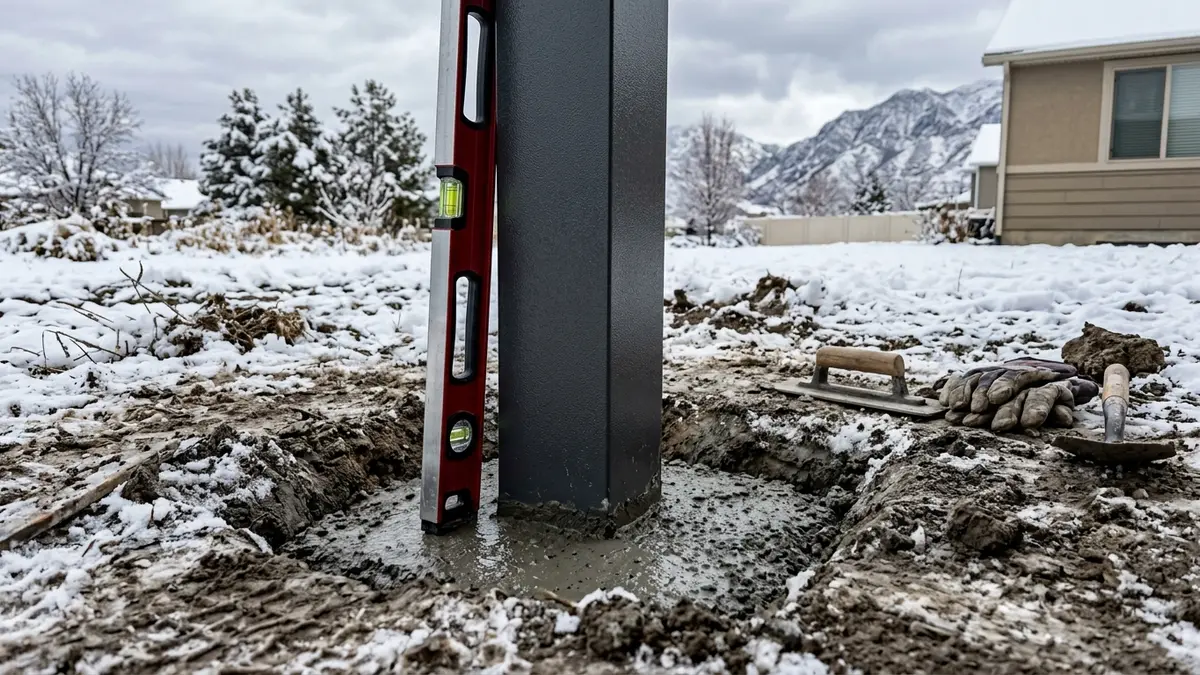
Freeze-thaw cycles attack whatever your structure is anchored to. Posts set in a poorly poured footing heave and loosen over years of freezing and thawing. Our mixed-concrete post installation sets your posts in solid concrete footings so they stay plumb and tight through Utah winters. A stable base under the whole thing matters just as much, which is why many homeowners pair a shade structure with a proper concrete or paver patio rather than building over settling ground.
What Utah homeowners typically spend
Every yard is different, so treat these as general Utah market context, not a quote. In Utah, most homeowners spend roughly:
These ranges only get you in the ballpark; the size of your yard, your material, and your snow-load engineering move the final number, so an exact price always comes from a quote on your specific project.
- Pergola: about $4,000 to $12,000 installed, depending on size and material (wood vs. aluminum vs. vinyl).
- Solid patio cover: about $5,000 to $16,000 installed, since the watertight roof and heavier engineering add cost.
- Covered deck: more again, because you are building both an elevated deck and a roof over it.
The third option: a covered deck
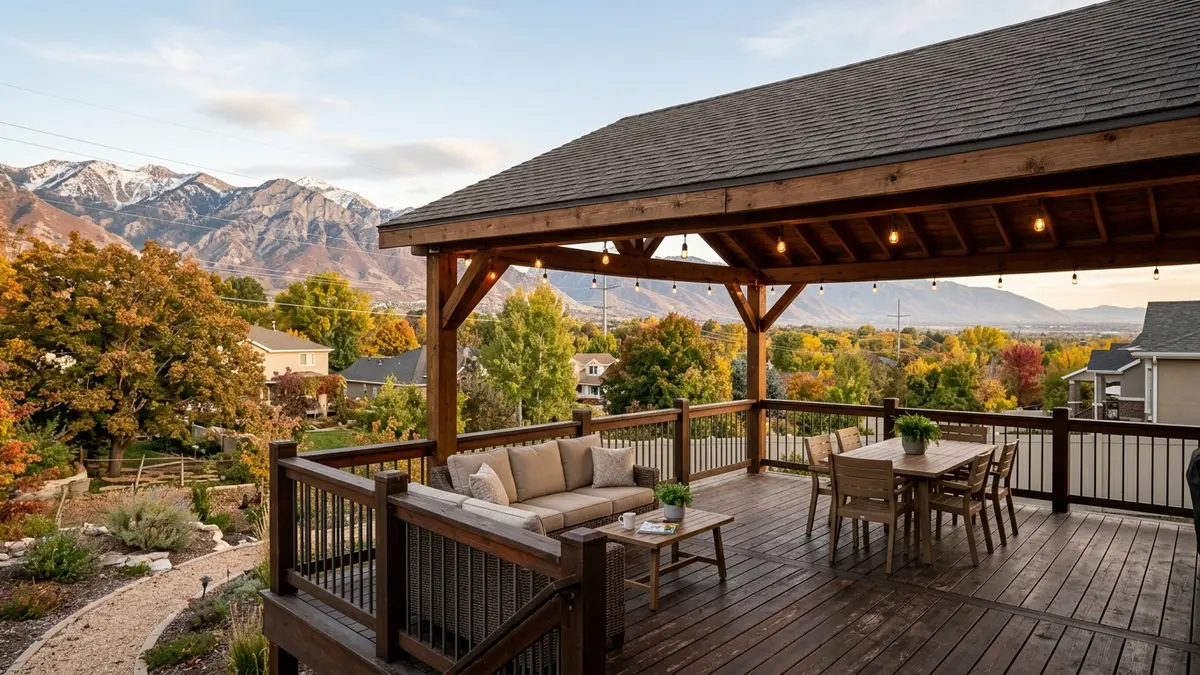
If your yard slopes, or you want the shaded space raised off the ground, a covered deck combines a custom deck with a solid roof so you get outdoor living you can use in almost any weather. It is the most weatherproof of the three and the biggest project. To see what that looks like on the ground, walk through a real Wasatch Front build in our custom deck installation project. A covered deck carries the same snow-load engineering as a patio cover, so it needs the same careful footings and framing.
Permits, HOAs, and doing it right in Salt Lake City
Most Utah cities require a permit for a permanent, roofed structure attached to your home, and rules vary by city. HOAs are common along the Wasatch Front, and many require design approval before you build anything in the backyard. Always confirm the specifics with your city and HOA. Installify handles permitting as part of the job, so homeowners in Salt Lake City do not have to chase paperwork.
Ready to shade your backyard the right way? Installify is licensed and insured, sets posts in mixed concrete, and can usually start in two weeks or less. Call (385) 402-8427 or get a free quote, and we will help you choose the pergola, patio cover, or covered deck that fits your Utah yard, sun, and snow.
Frequently asked questions
Pergola vs. patio cover, what is the difference?
A pergola has an open or slatted top that filters sunlight but lets rain and snow through. A patio cover has a solid, watertight roof that blocks sun and keeps the area under it dry, which matters during Utah summer storms.
Which is cheaper, a pergola or a patio cover?
A pergola is usually the cheaper of the two because it uses less material and lighter engineering. In Utah, pergolas commonly run lower than solid patio covers, but size and material drive the final number, so get a quote for your yard.
What are the downsides of covering a pergola?
Adding a solid cover turns a pergola into a patio cover, so it now collects full snow load and must be engineered and anchored for Wasatch Front winters. It also blocks the airflow and dappled light that made the pergola appealing in the first place.
Which gives more shade and rain protection?
A solid patio cover wins on both. It provides full shade and keeps you dry in rain, while a pergola offers only partial, filtered shade and no real rain protection.
What works best for Utah sun and snow?
For maximum weather protection, a solid patio cover or covered deck engineered for local snow load is best. If you mainly want to tame the summer sun and love an open feel, a well-built pergola in aluminum or sealed wood handles our high-altitude UV nicely.


